Anion Gap Calculator with Albumin-Based Adjustment
How the Anion Gap Reflects
The anion gap is a calculated value used to assist with interpreting serum electrolytes and evaluate acid-base status. It indicates the difference between measured positively charged ions and negatively charged ions in blood, giving clinicians a clue about hidden substances that are not directly reported on routine serum chemistry tests. This makes the anion gap a useful tool for identifying metabolic acidosis and related forms of systemic acidosis.
In practical terms, the anion gap can show whether there are extra acids in the bloodstream or whether bicarbonate has been consumed in the buffering process. Because the body’s buffer system depends on a balance of charged particles, changes in the gap can suggest an anion difference that is not obvious from the individual electrolyte values alone. That is why the test is often used for clinical assessment and broader laboratory interpretation.
The most commonly measured electrolytes involved are sodium, chloride, and bicarbonate. Sodium is the main measured cation, while chloride and bicarbonate are major measured anions. The difference between them provides a brief picture of electrolyte balance and can point toward an acid-base disorder such as high anion gap metabolic acidosis or normal anion gap metabolic acidosis.
Because the anion gap is a derived screening measure rather than a direct measurement, it should be interpreted as part of the overall serum chemistry picture. It is especially valuable when the cause of a metabolic derangement is not yet clear. In that setting, the anion gap calculator offers a rapid form of diagnostic support by organizing the key numbers into a single result.
How to Use an Anion Gap Calculator
An anion gap calculator usually requests the core electrolyte values from a basic metabolic panel: sodium, chloride, and bicarbonate. Once these values are entered, the calculator runs the standard calculation formula to estimate the gap. The result is then compared with the expected reference range to help with assessment.
The most common calculation formula is:
Anion gap = Sodium − (Chloride + Bicarbonate)
This equation estimates the amount of unmeasured anions in the blood. A elevated result may indicate extra acids or other unmeasured anions. A below-normal result may reflect changes in protein charge, lab variation, or less commonly another underlying issue that affects electrolyte balance.
To use the calculator correctly, submit values from the same sample when possible. Mismatched or delayed results can distort the calculated value, especially if the clinical picture is changing. Since the anion gap is part of a larger interpretation process, the calculator should be treated as a support tool rather than a stand-alone diagnosis.
Most modern tools also allow albumin adjustment, which is important when albumin is abnormal. That additional step can change a borderline result into a more meaningful adjusted anion gap or corrected anion gap, improving the usefulness of the lab result in real clinical settings.
How Albumin Changes the Anion Gap
Albumin is the most abundant anionic protein in plasma and an important contributor to the body’s protein charge. Because it carries a negative charge, it behaves as one of the main unmeasured anions in the blood. When albumin levels fall, the measured anion gap can appear spuriously low even if the underlying acid-base problem is significant.
This is why hypoalbuminemia matters. In a patient with low albumin, the body has less protein anions contributing to the gap, so the calculated number may fail to reflect the true burden of acid retention or hidden anions. Without correction, a case of important metabolic derangement may be overlooked during routine laboratory interpretation.
Albumin correction improves diagnostic support by estimating what the anion gap would appear if albumin were normal. The result is the corrected anion gap, also called the adjusted anion gap. This adjustment is especially useful when clinicians are evaluating possible metabolic acidosis, because low albumin can mask a clinically important increase in acid load.
The relationship between albumin and the gap is not merely theoretical. In real practice, low albumin is often seen in illness, inflammation, kidney disease, and poor nutrition. In those settings, the adjusted calculation provides a clearer view of acid-base status and helps decrease missed cases of high anion gap metabolic acidosis.
Adjusted Anion Gap Equation and Interpretation
The albumin adjustment factor is used to assess the impact of low albumin on the anion gap. A standard approach adds a fixed amount to the calculated gap for each reduction in albumin below the expected value. One common correction formula is:
Revised anion gap = Calculated anion gap + 2.5 × (4.0 − serum albumin)
In this formula, serum albumin is measured in g/dL, and 4.0 g/dL is often used as the reference point. If albumin is below 4.0, the correction elevates the gap. This helps restore the estimate closer to the true reference range and enhances the interpretation of the anion gap within the broader reference interval.
A typical unadjusted normal anion gap is often around 8 to 12 mEq/L, though the exact reference range can change by laboratory method. Some labs use varied intervals depending on measurement technique and analyzer calibration, so the local lab report should always be checked. The adjusted result should also be judged against the same lab-specific context.
If the adjusted value is elevated, it may reveal a high anion gap state that was hidden by low albumin. If the adjusted value remains normal, the clinician may need to look for other causes of acidosis or consider whether the blood gas and chemistry results fit a different pattern. This is why the adjusted result has more robust interpretive value than the uncorrected number alone.
Using the correction factor does not replace clinical reasoning. Instead, it helps refine laboratory interpretation by accounting for a common confounder. The calculator becomes most useful when it links the raw serum electrolytes to the corrected result and then to the likely acid-base disorder.
Typical Causes of an Atypical Anion Gap
An abnormal anion gap can indicate several various mechanisms. In high anion gap metabolic acidosis, the most important point is the build-up of unmeasured anions from organic acids or toxins. Typical causes include lactic acidosis, diabetic ketoacidosis, renal failure, and toxic alcohols.
Lactic acidosis occurs when lactate rises during low tissue oxygen delivery, shock, sepsis, or severe illness. It is a leading cause of systemic acidosis and often produces a widened gap because lactate behaves as an unmeasured acid. Diabetic ketoacidosis results in accumulation of ketone bodies, another typical cause of high anion gap metabolic acidosis.
Renal failure can raise the gap by reducing acid excretion and allowing retained acids to build up. This creates acid retention and a broader metabolic derangement that may be reflected in both the anion gap and other serum chemistry findings. In some cases, the gap rises gradually, making trend review important.
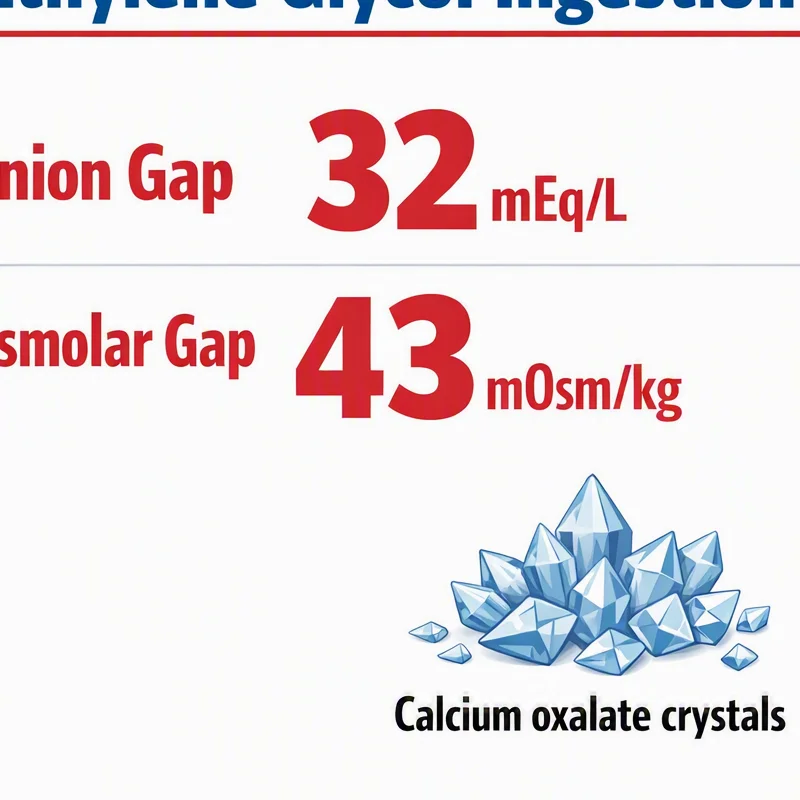
Toxic alcohols such as methanol and ethylene glycol are also notable causes. They generate toxic metabolites that increase the amount of unmeasured anions in the blood. Because these conditions can become life-threatening quickly, a widened gap should prompt urgent clinical assessment when the history and symptoms fit.
A normal anion gap metabolic acidosis has a different pattern. Here, bicarbonate is often lost and chloride rises to compensate, keeping the overall gap within the reference interval. This pattern may occur with gastrointestinal bicarbonate loss, renal tubular disorders, or certain medication effects. A normal gap does not mean the acidosis is mild; it only means the usual unmeasured anion pattern is absent.
Medical Pitfalls and Limitations
Even though useful, the anion gap has several drawbacks. anion gap in chronic kidney disease A key concern is lab variation. Various analyzers, methods, Have a peek at this website and reference intervals can produce different normal values, so a result should consistently interpreted in the context of the specific lab report. Minor variations may be important in one setting and unimportant in another.
A further limitation is the presence of mixed acid-base disorders. A patient may have more than one process at the same time, such as metabolic acidosis plus metabolic alkalosis, or acidosis plus respiratory compensation. In these situations, the gap alone does not tell the full story. The pH, clinical picture, and other chemistry values must be reviewed as a whole.
The gap can also be affected by changes in unmeasured anions and unmeasured cations beyond albumin. Lithium, paraproteins, and other unusual substances may skew the result. In some cases, the anion gap may even be unusually low, which can be misleading if it is not interpreted properly.
pH matters because a patient can have a significant metabolic disturbance even when the gap is not dramatically abnormal. A near-normal pH may reflect compensation rather than normal physiology. This is why the anion gap calculator should be viewed as part of a more comprehensive acid-base disorder workup rather than a replacement for full clinical assessment.
Lastly, correction for albumin is beneficial but not perfect. The albumin correction factor is an estimate, not a direct measurement of all unmeasured anions. It improves sensitivity, but it cannot fully account for every cause of abnormal serum electrolytes or every form of metabolic acidosis.
Worked Illustration of Albumin-Corrected Calculation
Here is a basic sample calculation showing how the raw and corrected results differ. Suppose the lab values are:
- Na: 140 mEq/L
- Cl: 100 mEq/L
- HCO3: 18 mEq/L
- Albumin level: 2.0 g/dL
Initially, work out the uncorrected anion gap using the common formula:
Anion gap = 140 − (100 + 18) = 22 mEq/L
This result is already clearly above many labs’ usual anion gap range, suggesting a elevated anion gap pattern. Next, apply albumin correction. With the common formula:
Adjusted anion gap = 22 + 2.5 × (4.0 − 2.0)
Adjusted anion gap = 22 + 5 = 27 mEq/L
The corrected result is even more abnormal, which supports the suspicion for an elevated burden of unmeasured anions. The meaning here is that hypoalbuminemia was to some extent masking the severity of the acid-base disorder. If uncorrected, the lab result would still be abnormal, but the adjusted value shows that the disturbance is greater than the raw gap suggested.
This step-by-step approach is one reason the calculator is so valuable. It turns the serum electrolytes into a practical clinical clue and helps separate between a borderline lab result and a truly concerning metabolic acidosis pattern.
When to Recheck or Confirm Results
Rechecking may be advisable when the result does not fit the patient’s condition, when the sample may be compromised, or when treatment decisions depend on a accurate trend. Repeat testing can show whether the anion gap is changing, especially if the first result might reflect specimen error, dilution, or timing issues.
If the acid-base picture is unclear, an arterial blood gas can help evaluate the pH, respiratory compensation, and degree of acidemia or alkalemia. A blood gas gives a more complete view of acid-base status than the basic metabolic panel alone and is useful when the clinical picture suggests serious systemic acidosis.
One basic chemistry panel is often the initial test, but it should not be the only test used. If the gap is abnormal or the symptoms are concerning, the chemistry results should be reviewed alongside the exam, history, and other labs. This is the essence of clinical correlation: combining the calculated value with the patient’s presentation to prevent overcalling or missing an important disorder.
It is also wise to re-evaluate the albumin level if the first sample was old or if the patient’s condition is changing. Since the corrected anion gap depends on serum albumin, a stale albumin value can decrease accuracy. The best interpretation uses contemporaneous results whenever possible.
FAQ
What is an adjusted anion gap?
An adjusted anion gap is the anion gap corrected for abnormal albumin, usually low albumin. It is also called the corrected anion gap. The adjustment helps uncover hidden high-gap metabolic acidosis that may be masked by hypoalbuminemia.
Why does low albumin lower the anion gap?
Albumin carries a negative charge and is one of the main protein anions in blood. When albumin is low, there are fewer unmeasured anions contributing to the result, so the measured anion gap appears lower than it otherwise would. That is why albumin correction is important.
How do you calculate an anion gap with albumin correction?
First calculate the standard gap using sodium, chloride, and bicarbonate. Then apply an albumin correction factor, commonly 2.5 mEq/L for each 1 g/dL albumin below 4.0 g/dL. This gives the adjusted anion gap, which improves evaluation.
What is considered a normal anion gap range?
The reference range varies by laboratory, but many settings use a normal anion gap of about 8 to 12 mEq/L. Always check the local lab’s reference interval, since analyzer methods and reporting conventions can change the expected range.
Can serious metabolic acidosis still present in serious metabolic acidosis
Yes. A normal anion gap metabolic acidosis can still be clinically significant and may occur with bicarbonate loss or some kidney disorders. A normal gap does not rule out serious illness, so calculator use should always be used together with symptoms, pH, and other lab data for proper clinical assessment.